Techniques for Seamless Bonus Integration Between Live Dealer Tables and Progressive Slot Mechanics on Portable Devices
Written by Parker Sullivan · Jul 1, 2026
Techniques for Seamless Bonus Integration Between Live Dealer Tables and Progressive Slot Mechanics on Portable Devices
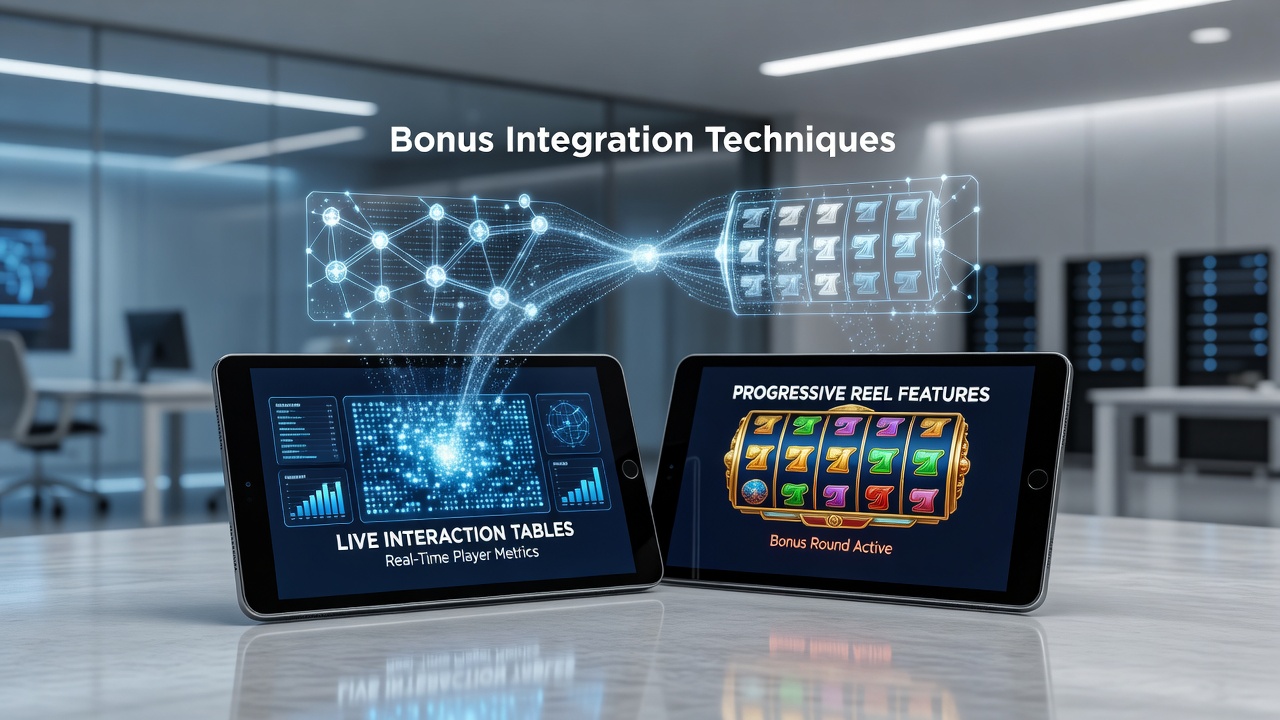
Developers continue to refine systems that connect live interaction tables directly with progressive reel features, and handheld devices serve as the primary platform for these combined experiences. Data from regulatory filings shows mobile traffic now accounts for the majority of sessions across major markets, which pushes engineers to create unified bonus frameworks that track player actions across both table games and slot progressions without interruption.
Core Elements of Cross-Feature Bonus Systems
Live interaction tables generate real-time data streams that feed into central bonus engines, while progressive reel features accumulate contributions from multiple players simultaneously. Observers note that successful integration requires synchronized ledgers capable of updating jackpot meters and table-side multipliers within milliseconds, and this synchronization prevents discrepancies that could otherwise disrupt player sessions. Research from the University of Nevada Reno gaming laboratory indicates that latency below 200 milliseconds maintains perceived continuity when users switch between live dealer feeds and reel displays on the same device.
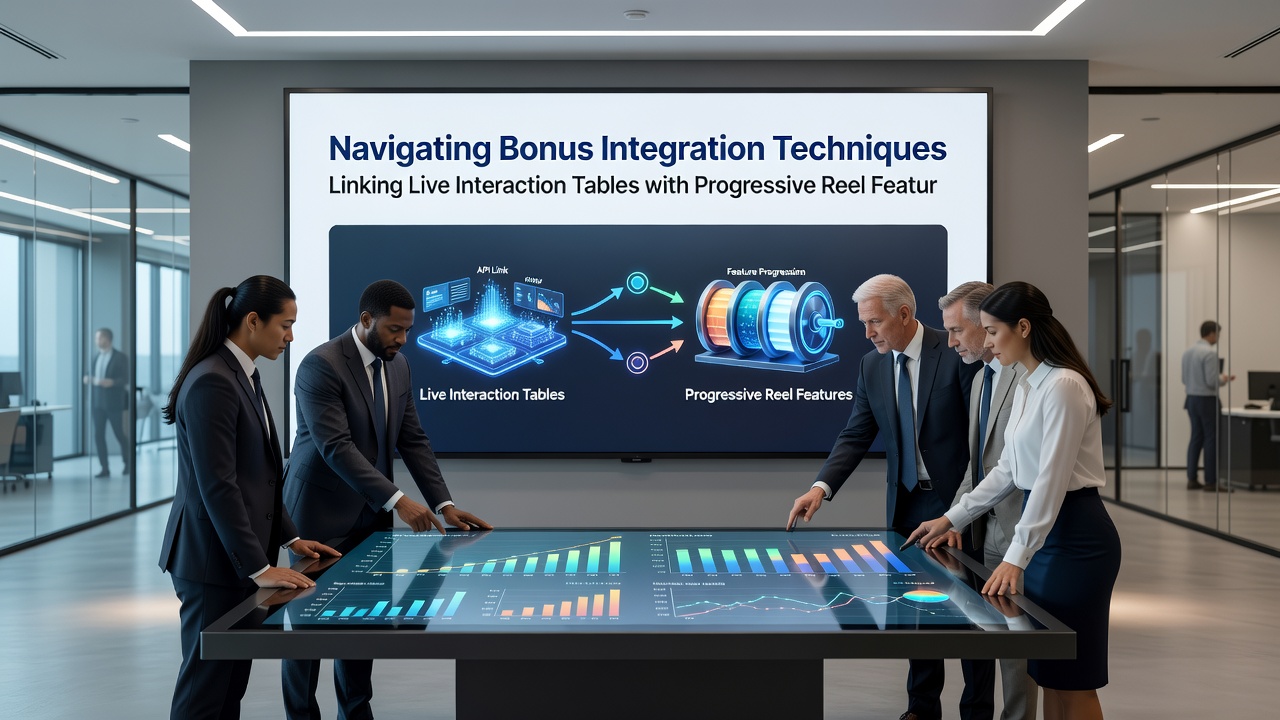
Bonus triggers often rely on shared progress bars that advance through combined activity, such as completing a certain number of live table decisions alongside reel spins. Those who have examined code architectures report that application programming interfaces handle the handoff by passing session tokens between the live video module and the slot engine, and this token system preserves bonus eligibility even if a player minimizes the app momentarily.
Technical Approaches to Real-Time Synchronization
Engineers employ WebSocket connections to maintain persistent links between the device and backend servers, allowing live table outcomes to influence reel bonus pools without requiring full page reloads. Studies from the New Jersey Division of Gaming Enforcement compliance reports demonstrate that encrypted channels protect these data exchanges, and encryption standards have evolved to include end-to-end protocols that meet both gaming and data privacy requirements. Portable devices benefit from these methods because they reduce battery drain compared with repeated HTTP requests, while still delivering the instant feedback players expect during combined sessions.
Progressive reel features demand accurate contribution tracking across thousands of concurrent users, and integration layers must isolate individual bonus progress from the shared pool. One documented case involved a major platform operator that adjusted its middleware to handle 50,000 simultaneous connections on mobile networks, and the adjustment resulted in fewer dropped bonus states during peak evening hours.
Device-Specific Optimization Strategies
Handheld hardware varies widely in processing power and screen size, so developers segment optimization routines according to operating system and chipset capabilities. Data indicates that iOS devices handle complex animations more efficiently during live table transitions, whereas certain Android configurations require additional frame-rate throttling to prevent overheating when progressive meters update continuously. Those who monitor performance metrics have observed that adaptive bitrate streaming for live dealer video helps maintain reel responsiveness on lower-bandwidth connections, and this adaptation keeps bonus integration intact even when network conditions fluctuate.
Touch gesture recognition plays a direct role in how players interact with both tables and reels on the same screen, and bonus systems must register these inputs without conflict. Industry reports from the Canadian Gaming Association highlight testing protocols that simulate rapid switching between card actions and spin commands, confirming that integrated bonuses activate correctly across diverse device models.
Security and Compliance Considerations
Regulatory bodies require that bonus calculations remain transparent and auditable, which means integration layers must log every contribution from live tables and reel features separately before merging them into final awards. American Gaming Association publications note that third-party testing labs now include mobile-specific scenarios in their certification processes, and these scenarios verify that progressive values persist accurately after device orientation changes or temporary network losses. Secure key exchange protocols further ensure that bonus eligibility data cannot be tampered with during transmission between the live interaction module and the progressive engine.
Conclusion
Integration techniques continue to advance through iterative testing and regulatory feedback, resulting in more stable connections between live dealer tables and progressive reel features on handheld platforms. Figures reveal steady increases in session duration when these systems operate without friction, and ongoing refinements focus on expanding compatibility across emerging device types while preserving the integrity of bonus tracking mechanisms.