Reward Integration in Mobile Table Gaming: From Payment Verification to Tournament and Jackpot Participation
Written by Tina Schmitt · Aug 26, 2026
Reward Integration in Mobile Table Gaming: From Payment Verification to Tournament and Jackpot Participation
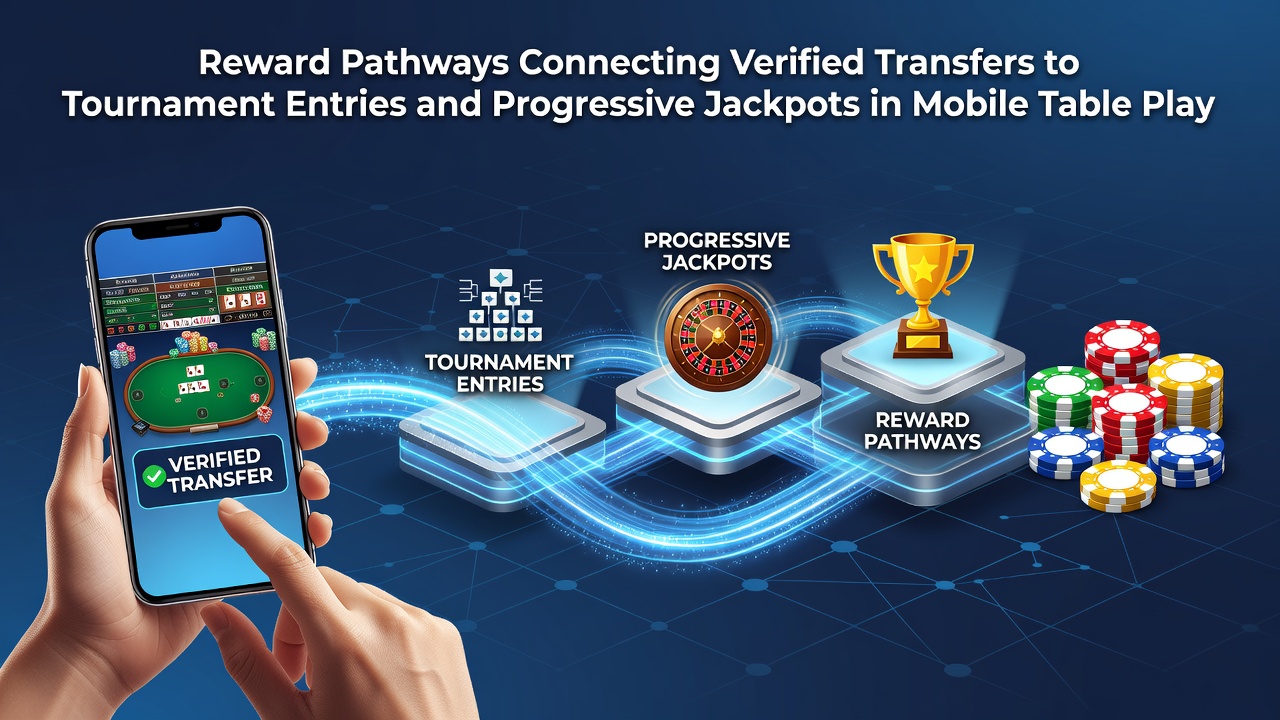
Verified transfers form the foundation for reward pathways in mobile table play, where secure payment confirmations directly enable access to tournament entries while feeding into progressive jackpot systems across poker, blackjack, and roulette formats. Data from industry tracking shows these connections operate through standardized protocols that link transaction logs to player accounts in real time, allowing balances to update instantly for entry fees or contribution percentages that build jackpot pools.
Mechanics of Verified Transfers in Mobile Platforms
Operators process verified transfers through encrypted channels that confirm funds before any reward activation occurs, and this step ensures compliance with regional standards set by bodies such as the Nevada Gaming Control Board. Once cleared, the system records the transfer amount and applies predefined rules that allocate portions toward tournament buy-ins or jackpot contributions, creating traceable pathways that prevent duplicate entries or unverified claims. Research indicates that platforms handling high volumes of mobile table traffic in 2026 rely on these automated verifications to maintain session continuity, especially during peak periods when players switch between cash games and scheduled events.
Pathways to Tournament Entries
Tournament entries activate when verified transfers meet minimum thresholds, at which point the platform reserves a seat and deducts the fee from the confirmed balance. Observers note that many systems incorporate loyalty multipliers, where repeated verified activity increases the effective value of each transfer toward larger buy-in events without additional deposits. In August 2026, several major mobile operators expanded these pathways to include cross-game eligibility, allowing poker transfer credits to apply toward blackjack or roulette tournaments hosted on the same application. This integration reduces friction for players who maintain activity across table variants while keeping all records auditable through centralized ledgers.
Progressive Jackpot Accumulation Links
Progressive jackpots receive contributions from verified transfers at rates typically ranging from 1 to 5 percent of each qualifying wager, and these increments update live across connected mobile instances. The linkage works because the same verification layer that authorizes tournament entries also tags eligible bets for jackpot seeding, ensuring no unconfirmed funds enter the pool. Figures from market analyses reveal that mobile table play now accounts for growing shares of overall jackpot growth in regions with established digital licensing, as players complete transfers on devices and immediately participate in accumulating prize structures.
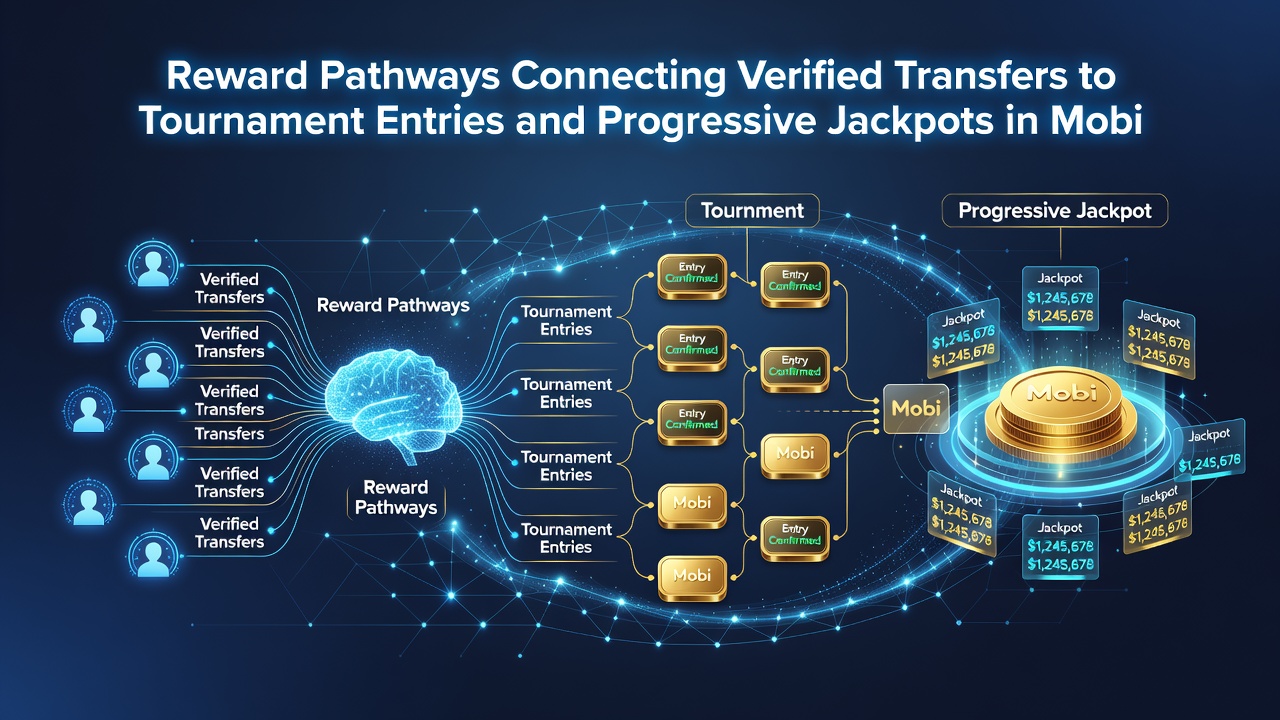
One documented case involves platforms that route a fraction of tournament entry fees back into separate progressive meters, creating secondary reward layers that reward consistent participation over multiple events. Those who study these patterns find the dual-use verification system streamlines operations, since a single transfer confirmation serves both entry access and jackpot funding without requiring separate authentication steps.
Developments Observed in Mid-2026
By August 2026, updates to mobile table applications introduced refined tracking that displays real-time contribution percentages from each verified transfer, giving players visibility into how their activity supports both tournament qualification and jackpot growth. Regulatory updates in several jurisdictions prompted operators to publish clearer mapping of these pathways, aligning with standards from organizations such as the Australian Communications and Media Authority. The changes reduced processing delays between transfer confirmation and reward eligibility, which in turn supported higher engagement volumes during live tournament series that run across multiple time zones.
Industry reports highlight that integrated reward systems now handle simultaneous contributions to both fixed tournament prize pools and variable progressive jackpots, with verification timestamps serving as the common reference point. This approach maintains separation between the two reward types while using the same underlying transfer data, minimizing errors that previously arose from mismatched account states.
Conclusion
Verified transfers continue to serve as the central node connecting mobile table play activities to tournament access and progressive jackpot participation. The established pathways rely on precise logging and rule-based allocation that operators refine through ongoing platform updates. As mobile table environments evolve, these linkages remain essential for maintaining orderly reward distribution across verified player accounts and shared prize structures.