Regulatory Oversight of Incentive Programs in Online Card Tournaments and Virtual Reel Platforms
Written by Zara Ludwig · Jun 8, 2026
Regulatory Oversight of Incentive Programs in Online Card Tournaments and Virtual Reel Platforms
Regulatory frameworks for player incentives in digital card competitions and reel-based entertainment systems operate through distinct mechanisms that vary by jurisdiction, yet share common principles around transparency, consumer protection, and fair play. Authorities in multiple regions enforce rules that dictate how operators structure bonuses, loyalty rewards, and promotional offers across poker platforms and slot environments, with particular attention paid to how these incentives influence player behavior and financial outcomes.Core Principles Across Jurisdictions
Data from regulatory filings indicates that oversight bodies prioritize clear disclosure of terms attached to incentives, including wagering requirements and eligibility criteria. In the United States, the Nevada Gaming Control Board maintains standards that require operators to document how reward points convert to cash or play credits in both poker tournaments and slot progressions. Similar requirements appear in Australian state-level guidelines, where operators must submit incentive plans for review before deployment in digital card events or reel-based games.
European frameworks, coordinated through national gaming authorities in countries such as Malta and Sweden, emphasize segregation of player funds from promotional balances. This separation prevents operators from mixing bonus amounts with deposited capital, a measure that directly affects how incentives function during extended play sessions in virtual poker rooms and automated reel systems.
Application to Digital Card Competitions
Digital card competitions, particularly poker events conducted online, face specific restrictions on incentive structures that differ from those applied to reel-based activities. Tournament organizers must report any satellite entry rewards or leaderboard bonuses to regulatory monitors, ensuring that these offers do not create uneven competitive advantages. Figures released in early 2026 show that several North American platforms adjusted their loyalty tiers to align with updated disclosure rules, resulting in more granular tracking of reward accumulation across multi-table tournaments.
Observers note that regulators often require operators to implement spending caps tied to incentive redemptions in card-based environments. These caps limit the total value of bonuses a player can claim within a defined period, a policy intended to moderate risk exposure during high-stakes digital competitions.
Reel-Based Entertainment Systems and Incentive Controls
Reel-based entertainment systems encounter parallel yet distinct regulatory scrutiny, with emphasis placed on return-to-player calculations that incorporate bonus features. Authorities require operators to demonstrate that promotional free spins or multiplier incentives do not distort the underlying mathematical model of the games. In June 2026, several Canadian provincial regulators updated their reporting templates to capture data on how slot incentive campaigns interact with player deposit patterns over monthly cycles.
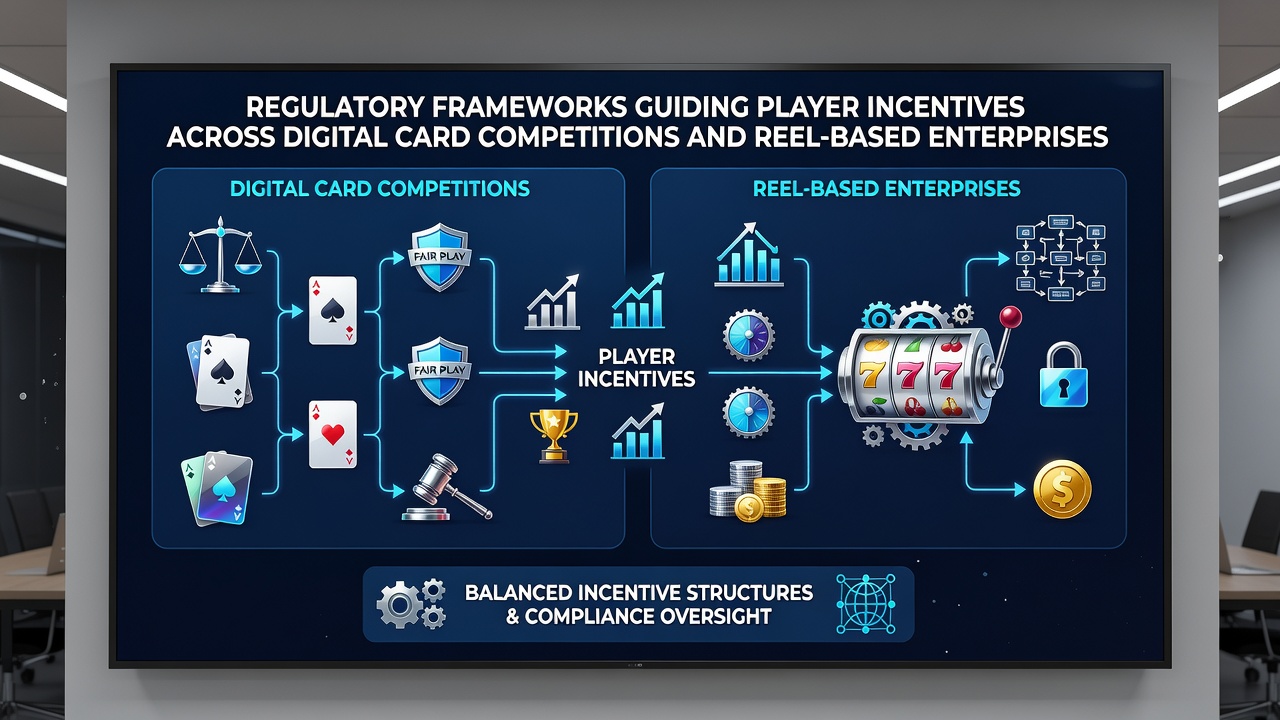
Industry reports compiled by the American Gaming Association highlight that reel-based platforms must maintain audit trails for every incentive triggered during gameplay. These trails allow regulators to verify that progressive jackpot contributions remain consistent even when promotional multipliers activate, preserving the integrity of prize pools across large networks of connected machines.
Comparative Approaches and Recent Adjustments
What's interesting is how different regions synchronize their approaches while accommodating local market conditions. Australian research institutions have documented that incentive frameworks in reel environments tend to focus more heavily on session-length disclosures compared with card competition rules. In contrast, North American guidelines place greater weight on tournament-specific reward structures that affect qualification paths and prize allocations.
During June 2026, updates emerged from multiple oversight entities requiring enhanced verification of player identity before incentive activation. This development affects both digital card platforms and reel-based systems, with operators implementing automated checks that cross-reference account activity against regulatory databases. Such measures reduce the potential for incentive misuse across borders while maintaining operational continuity for compliant platforms.
Conclusion
Regulatory frameworks continue to evolve in response to technological changes in both digital card competitions and reel-based entertainment systems. Authorities maintain detailed reporting requirements, disclosure standards, and verification protocols that shape how operators design and deliver player incentives. These structures ensure consistent application of rules across jurisdictions, with ongoing adjustments documented through official channels and industry submissions. Data collected through these processes informs future refinements while supporting stable market operations.