Philippine Law Firm Details Employee Transition Challenges in PAGCOR Casino Filipino Asset Sale
Written by Tina Schmitt · Jul 27, 2026

Philippine Law Firm Details Employee Transition Challenges in PAGCOR Casino Filipino Asset Sale
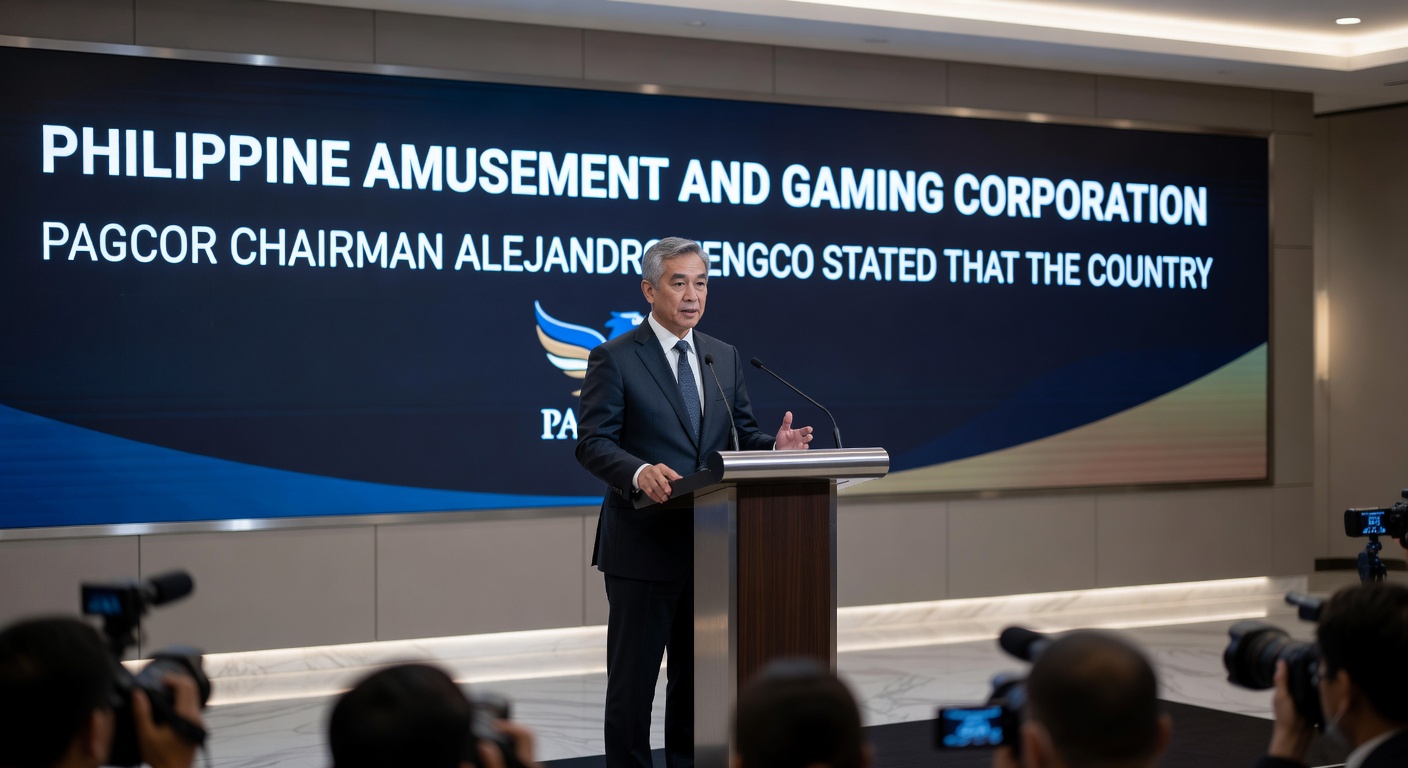
The report from Geronimo Law examines the proposed privatization of PAGCOR's Casino Filipino assets and focuses on how labor requirements could shape bidder responses during any sale process. Released in July 2026, the analysis highlights that mandates forcing buyers to retain existing gaming personnel such as dealers, surveillance officers, and slot technicians would likely lead to lower overall bid values because purchasers would factor those ongoing obligations into their financial calculations.
Report Overview and Context
Geronimo Law prepared the document to outline potential effects on the privatization timeline and structure, and the findings center on employment liabilities that any new owner would inherit. Observers note that Casino Filipino operations currently employ a large workforce dedicated to table games, machine maintenance, and security monitoring, which creates a distinct set of transition considerations compared with other gaming assets. The report connects these workforce elements directly to bid pricing by showing how absorption requirements increase long-term cost projections for prospective buyers.
Impact on Bid Prices from Mandatory Absorption
According to the analysis, any requirement that bidders absorb current gaming staff would reduce final offer amounts because buyers price in the associated liabilities including salaries, benefits, and potential severance risks. The law firm points out that this pricing adjustment occurs naturally during due diligence when bidders review labor contracts and operational continuity needs. Data from similar privatization efforts in other markets shows that forced employee retention clauses often lower net proceeds by amounts ranging from 10 to 20 percent depending on workforce size and contract terms. The Geronimo Law document applies this pattern to the Casino Filipino case by estimating how retention mandates could compress the total value PAGCOR receives from asset transfers.
Employee Transition Options Presented
The report outlines three primary pathways for handling the workforce during any sale. Redeployment within PAGCOR allows current employees to move into non-gaming roles or other company divisions that remain under government control. Buyer absorption transfers staff directly to the new private operator under negotiated terms that may include contract adjustments or phased integration. Separation packages provide structured exit compensation for those who do not transition through either of the first two routes, and the document details how each option carries different financial implications for both PAGCOR and the eventual buyer.
Those who've reviewed the full analysis note that separation packages would require clear calculation of notice periods, accrued benefits, and statutory payments under Philippine labor law. The report also examines how redeployment could preserve institutional knowledge while reducing immediate cash outlays for the government entity. In contrast, buyer absorption shifts the entire cost structure to the private purchaser, which in turn influences the maximum price that bidder is willing to offer during the auction or tender process.
Legal and Regulatory Framework Referenced
Geronimo Law ties its recommendations to existing Philippine regulations governing public asset sales and employee rights during ownership changes. The document references labor code provisions that protect worker entitlements even when operations move from public to private hands, and it explains how these rules interact with bidding conditions set by PAGCOR. The analysis further connects these legal requirements to the timeline for any privatization, noting that clear transition plans must be in place before bids are solicited to avoid delays or legal challenges from affected employees.
Broader Market Considerations
The report places the Casino Filipino situation within the wider context of Philippine gaming sector restructuring. It describes how potential investors evaluate labor costs alongside regulatory compliance and revenue projections when assessing gaming assets. Figures cited in the document show that workforce-related liabilities represent a measurable portion of total operational expenses at Casino Filipino locations, which directly affects valuation models used by interested parties. The law firm connects these expense categories to the final bid amounts by demonstrating that every additional retained employee increases the capitalized cost base that bidders must recover over time.
What's notable is the emphasis on transparent communication between PAGCOR and bidders regarding workforce expectations. The analysis indicates that early disclosure of employee numbers, contract details, and transition preferences allows bidders to incorporate accurate assumptions into their offers rather than building in conservative buffers that further depress prices. This approach aligns with standard practices observed in other large-scale asset privatizations where labor issues have influenced outcomes.
Conclusion
The Geronimo Law report provides a structured examination of how employment transition requirements intersect with the privatization of PAGCOR's Casino Filipino assets. It presents concrete options for redeployment, absorption, and separation while quantifying the likely effect on bid levels when mandatory retention is imposed. The document supplies decision-makers with a framework for balancing workforce considerations against revenue objectives during the sale process. Those reviewing the findings can use the outlined pathways to model different scenarios and select the approach that best aligns with both legal obligations and financial targets.