PAGCOR Chairman Highlights Risks to Philippine Gaming Revenues
Written by Devon Schröder · Jun 5, 2026

PAGCOR Chairman Highlights Risks to Philippine Gaming Revenues
Philippine Amusement and Gaming Corporation Chairman Alejandro Tengco has outlined a projected decline in the country's gaming industry gross gaming revenue that could reach as much as 19 percent during 2026, and the assessment draws directly from ongoing cost pressures combined with ripple effects from the Middle East conflict that include elevated fuel prices and reduced discretionary spending by consumers.
Recent Performance Sets the Stage
The warning arrives after an already notable 16 percent decrease in first-quarter 2026 figures that brought total gross gaming revenue to Php87.6 billion, and observers note the sequential softening reflects broader economic headwinds that affect both land-based casinos and online platforms operating across the archipelago. Tengco's statement ties these trends together without speculation, instead pointing to concrete factors such as rising operational expenses that operators must absorb while geopolitical developments continue to influence global energy markets and consumer behavior.
Cost Pressures and External Factors
Industry data shows that higher fuel costs stemming from Middle East tensions have increased transportation and logistics expenses for gaming facilities, while reduced discretionary spending has translated into lower foot traffic and online engagement from players who once contributed more regularly to slot machines, table games, and digital betting platforms. The same pressures appear across multiple sectors of the Philippine economy, yet the gaming industry registers them quickly because revenue depends heavily on variable consumer outlays rather than fixed contracts or essential services.
Impact on Land-Based and Online Sectors
Land-based operators face direct challenges from increased energy bills and supply-chain costs that affect everything from air conditioning in large resort complexes to the maintenance of gaming equipment, and online platforms encounter parallel difficulties as marketing budgets stretch thinner when player acquisition costs rise amid cautious spending patterns. Tengco's comments emphasize that both segments operate under the same regulatory umbrella managed by PAGCOR, which means any sustained revenue contraction will influence licensing fees, tax contributions, and infrastructure investments that the agency oversees for the national government.
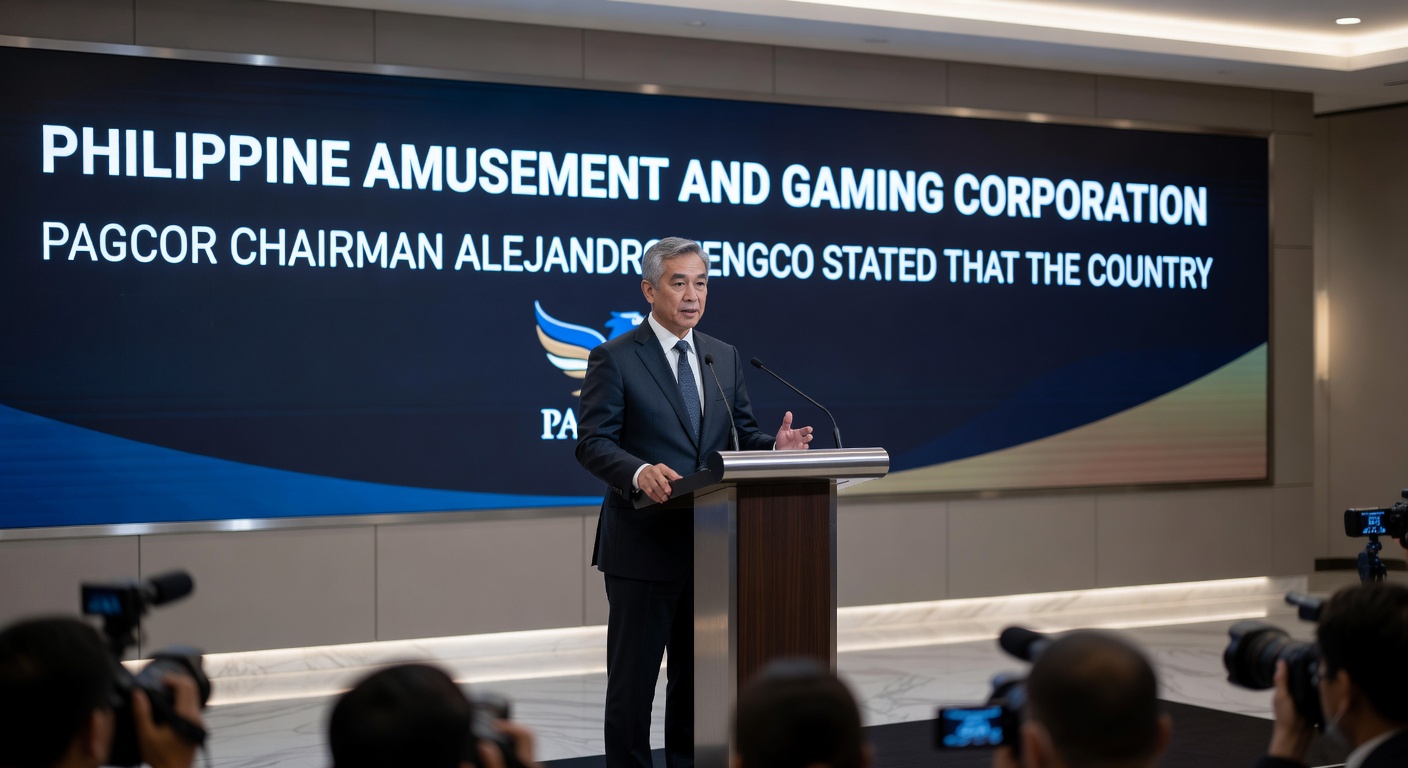
Figures reveal the first-quarter drop to Php87.6 billion already signals a departure from prior growth trajectories, and the additional 19 percent downside projection for the full year 2026 incorporates assumptions about continued conflict-related volatility that could extend through the remainder of the calendar period. Analysts tracking these numbers connect them to wider patterns where energy price spikes coincide with reduced leisure budgets, creating a compound effect that gaming regulators and operators must now address through operational adjustments rather than expansion plans.
Context Within 2026 Developments
By June 2026 the cumulative impact of these pressures had become clearer to PAGCOR leadership, prompting Tengco to share the updated outlook that incorporates both the realized first-quarter results and forward-looking estimates of how Middle East developments might continue shaping fuel markets and consumer sentiment. The timing aligns with mid-year budget reviews that gaming companies conduct, and it allows regulators to calibrate expectations for licensing renewals and compliance requirements that depend on revenue stability.
Broader Implications for Stakeholders
Stakeholders ranging from casino employees to local government units that receive shares of gaming taxes stand to feel the effects of any prolonged contraction, and Tengco's statement serves as an early signal that planning for the remainder of 2026 should account for tighter margins rather than continued expansion. The PH industry GGR falls 16% to Php87.6B in Q1 2026 report provides the baseline data against which future quarters will be measured, offering a factual reference point for assessing whether the projected 19 percent annual decline materializes or whether mitigating factors emerge later in the year.
Regulatory Response and Monitoring
PAGCOR maintains ongoing monitoring of both land-based venues and online operators to ensure compliance with existing rules while adapting to revenue realities, and Tengco's public comments reflect the agency's practice of transparent communication about industry conditions rather than any policy shift. The agency continues to collect data on gross gaming revenue, player volumes, and operational costs, which allows it to provide accurate assessments to national policymakers who rely on gaming contributions for public funding allocations.
Conclusion
The combination of the realized first-quarter decline and the projected full-year reduction underscores how external geopolitical events can intersect with domestic cost structures to reshape an industry's performance, and the Philippine gaming sector now operates under these documented constraints as it moves through the balance of 2026. Tengco's statement supplies the factual framework that operators, regulators, and observers can reference when evaluating subsequent quarterly results and adjusting strategies accordingly.