Mobile Platforms Transform Table Game Promotions and Tournament Formats in Digital Casinos
Written by Zoe Foster · Aug 3, 2026

Mobile Platforms Transform Table Game Promotions and Tournament Formats in Digital Casinos
Data from industry reports shows mobile gaming has altered how operators structure promotions for traditional table games like blackjack and roulette, with shorter entry windows and app-exclusive multipliers replacing longer desktop campaigns; these adjustments align with user habits that favor quick sessions on portable devices. Observers note that tournament structures have followed suit, incorporating mobile-friendly formats such as sit-and-go events that last under thirty minutes and allow seamless entry from any location.
Shifts in Promotional Mechanics
Research indicates operators now tie table game bonuses to mobile login streaks rather than cumulative playtime, because analytics reveal players engage more consistently through push notifications than scheduled desktop reminders. This change appears in reward systems where deposit matches for poker or baccarat activate only after a mobile app session begins, encouraging frequent short interactions instead of extended visits. Figures from regulatory filings in multiple jurisdictions confirm these patterns have increased redemption rates for table game promotions by measurable margins since 2024.
What's notable is the integration of location-based triggers, where promotions activate when users enter specific geofenced areas near partner venues, blending online table game incentives with real-world casino traffic. Such features emerged after operators reviewed participation data that linked mobile access to higher cross-promotion uptake across blackjack tables and roulette wheels.
Evolution of Tournament Structures
Tournament organizers have adapted bracket designs to accommodate mobile players by introducing staggered start times and hybrid leaderboards that update in real time across devices. Studies from academic institutions tracking online gaming behavior found these modifications reduced dropout rates in multi-table poker events, since participants could rejoin interrupted sessions without losing accumulated points. Data shows average field sizes for mobile-optimized table game tournaments grew steadily through mid-2025, reflecting broader accessibility.
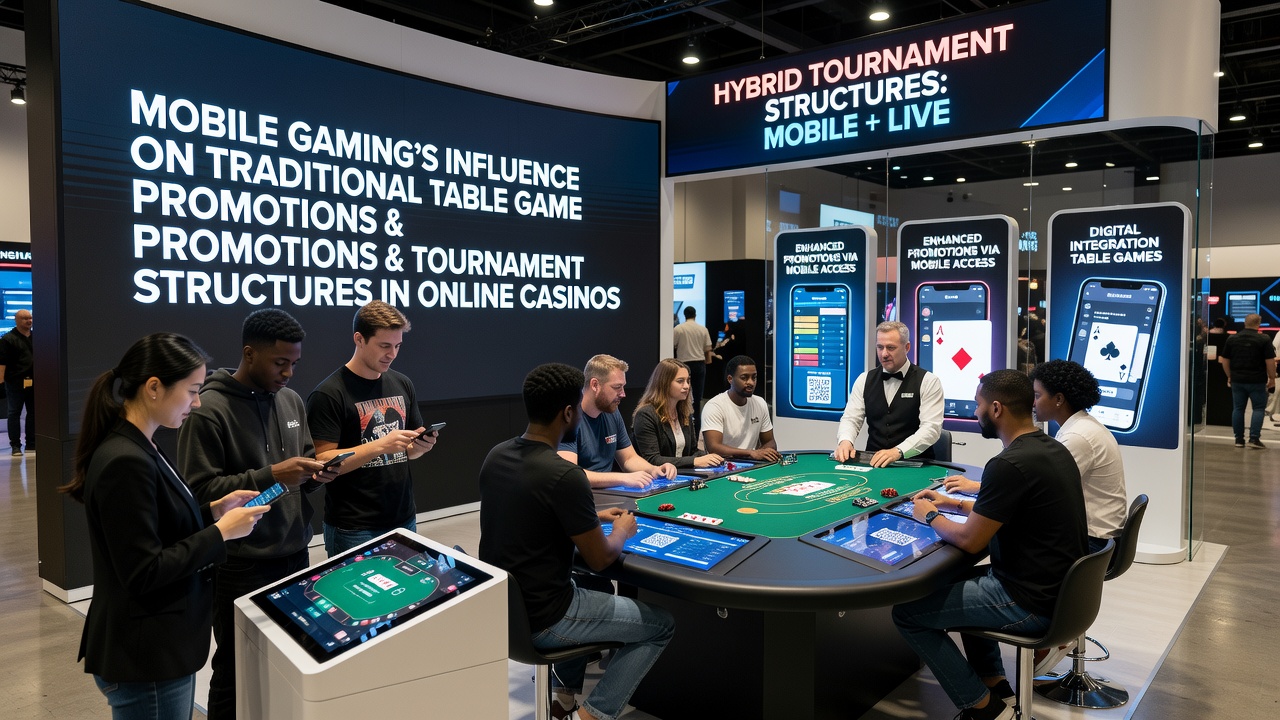
August 2026 records from several international markets highlight further refinements, including satellite qualifiers that feed directly into live dealer table tournaments via mobile apps. These qualifiers often feature reduced buy-ins and accelerated blind structures designed for touch-screen navigation, allowing more entrants to compete without requiring dedicated desktop time. Industry associations report that such adaptations have expanded global participation numbers while maintaining compliance standards set by oversight bodies.
Regional Regulatory Responses
Authorities in Nevada and select European markets have issued updated guidelines that address mobile-specific promotion mechanics for table games, emphasizing transparency in bonus terms displayed on smaller screens. A 2025 analysis by the University of Nevada Reno examined how these rules influenced operator strategies, revealing that clear mobile disclosures correlated with sustained player trust metrics. Similar patterns surface in Canadian provincial reports, where tournament structures now require explicit mobile compatibility statements to receive licensing approval.
Operators respond by embedding compliance tools directly into apps, such as automated term summaries that appear before each table game entry. This approach satisfies varying regional demands without disrupting the fluid experience users expect from portable platforms.
Technical and Operational Adjustments
Platform developers integrated API connections between mobile interfaces and backend tournament engines, enabling real-time synchronization of table game leaderboards and promotion balances. Those who've examined the infrastructure note that these links support features like instant rebuy options during mobile sessions, which traditional desktop tournaments handled through slower manual processes. Evidence from operational logs indicates reduced latency in prize distribution for events that blend live dealer tables wth mobile qualifiers.
Partnerships with payment processors have also evolved, focusing on instant settlement options that align with the pace of mobile-driven promotions. These connections ensure table game winnings transfer without delays that once discouraged repeat participation in shorter tournament cycles.
Conclusion
Overall patterns demonstrate mobile gaming continues to drive measurable changes in table game promotion timing and tournament accessibility across online platforms. Regulatory bodies and operators alike track these developments through ongoing data collection, adjusting frameworks to match observed user behaviors while preserving oversight integrity. Continued monitoring through 2026 and beyond will clarify the long-term scale of these structural shifts.