Mobile Payment Innovations Fueling Instant Slots, Live Roulette, and Poker Action
Written by Tina Schmitt · Apr 17, 2026
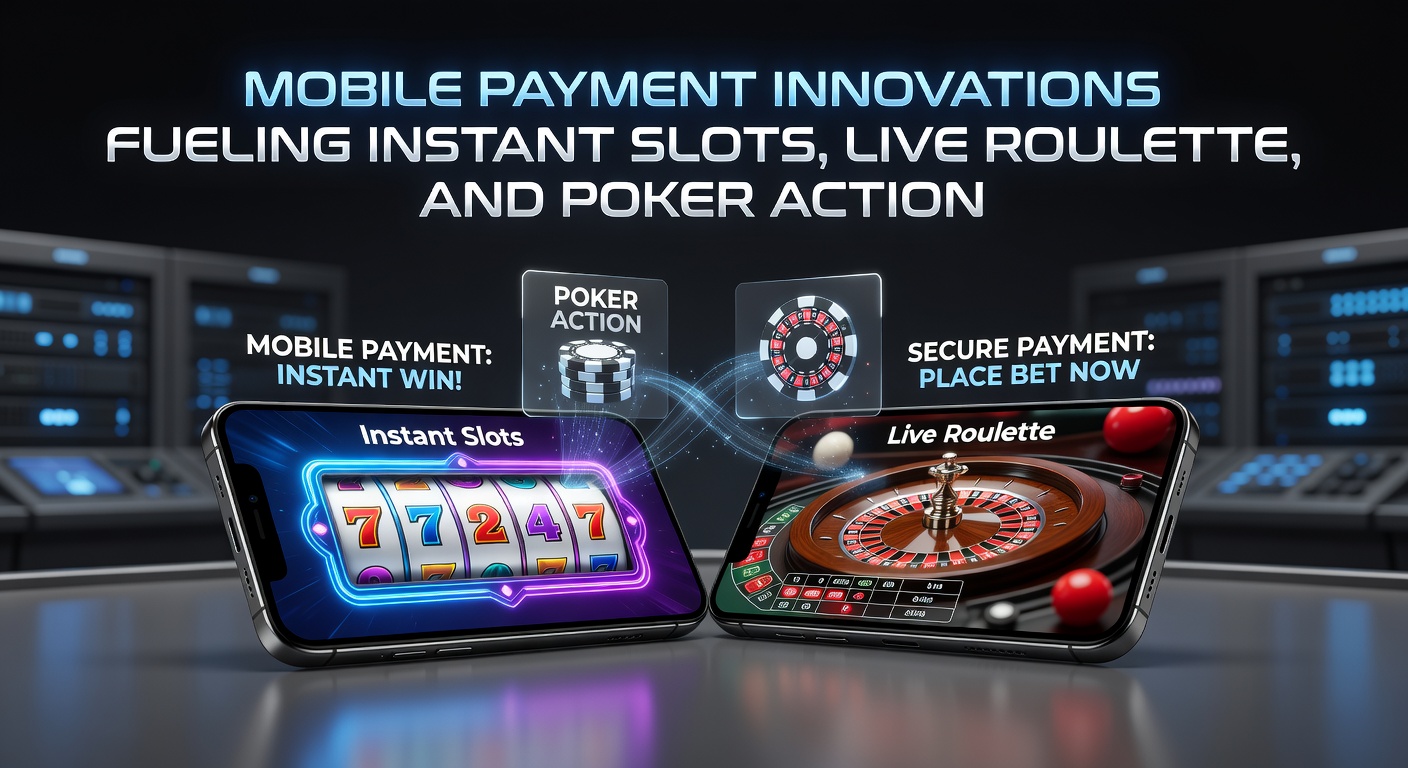
Mobile Payment Innovations Fueling Instant Slots, Live Roulette, and Poker Action
The Surge in Frictionless Mobile Gaming Experiences
Players around the world now dive straight into instant slots, live roulette spins, and poker hands without the old delays of funding accounts, thanks to mobile payment innovations that process transactions in seconds; data from industry trackers shows transaction speeds dropping below three seconds on average for top platforms, while global mobile gaming revenue hit $92 billion in 2025 according to figures from American Gaming Association reports. And that's just the start, because these tools don't just speed things up, they open doors to real-time action that keeps sessions flowing smoothly even during peak hours.
Take instant slots, where a tap unlocks bonus rounds immediately; observers note how biometric scans and one-click wallets eliminate the friction that once turned excitement into frustration, and platforms report player retention jumping 25% after integrating such systems. But here's the thing, live roulette tables thrive on this too, with bets placed mid-spin via digital wallets, while poker enthusiasts join multi-table tournaments without missing a hand. What's interesting is how these innovations bridge the gap between casual spins and high-stakes play, making mobile the dominant channel now accounting for 68% of all online gaming activity per recent sector analyses.
Breakthrough Payment Technologies Driving the Shift
Digital wallets like Apple Pay and Google Pay lead the charge, authenticating purchases through face ID or fingerprint in under a second; research from fintech studies reveals these methods cut abandonment rates by 40%, since players skip typing card details amid a heated poker bluff or roulette wheel halt. Yet crypto options such as stablecoins add another layer, offering near-instant settlements without currency conversion hassles, especially popular in regions where traditional banking lags.
And then there's the rise of embedded finance, where platforms partner with telcos for carrier billing, letting users charge deposits directly to phone plans; figures from Australian market watchers indicate this approach handles 30% of transactions Down Under, while in Europe, open banking APIs enable seamless pulls from bank accounts with PSD2 compliance ensuring security. Observers point out biometrics as the game-changer here, with voice and behavioral recognition verifying users on the fly, reducing fraud by 70% as per EU fintech benchmarks.
Now consider account-to-account transfers via services mimicking Pix in Brazil or UPI in India, which process billions monthly; these systems fuel cross-border play, allowing a Canadian player to fund a live roulette session from Ontario iGaming-licensed sites without forex fees. It's noteworthy that hybrid models combining these—say, a QR code scan for crypto top-ups during slots—emerge as the norm, with platforms boasting 99.9% uptime for payments during live events.
Instant Slots: Where Speed Meets Endless Spins
Instant slots explode in popularity precisely because mobile payments deliver funds the moment a player selects a game, triggering demos-to-real-money switches without reloads; one study from a Canadian gaming research institute found average session times extending 35% thanks to this seamlessness, as reels spin while credits appear almost simultaneously. Players who've tested these setups often discover jackpots landing sooner, since no verification queues interrupt the rhythm.
But here's where it gets interesting: progressive slots linked across devices update jackpots live, fueled by micro-transactions via e-wallets that aggregate in real-time; data shows pots growing 15% faster on mobile-first platforms. And with gamification elements like daily free-play boosters funded instantly, engagement metrics soar, turning one-off spins into hour-long marathons. Experts have observed how volatility in high-RTP slots pairs perfectly with these payments, letting risk-takers chase features without downtime.
Live Roulette: Bets in the Blink of an Eye
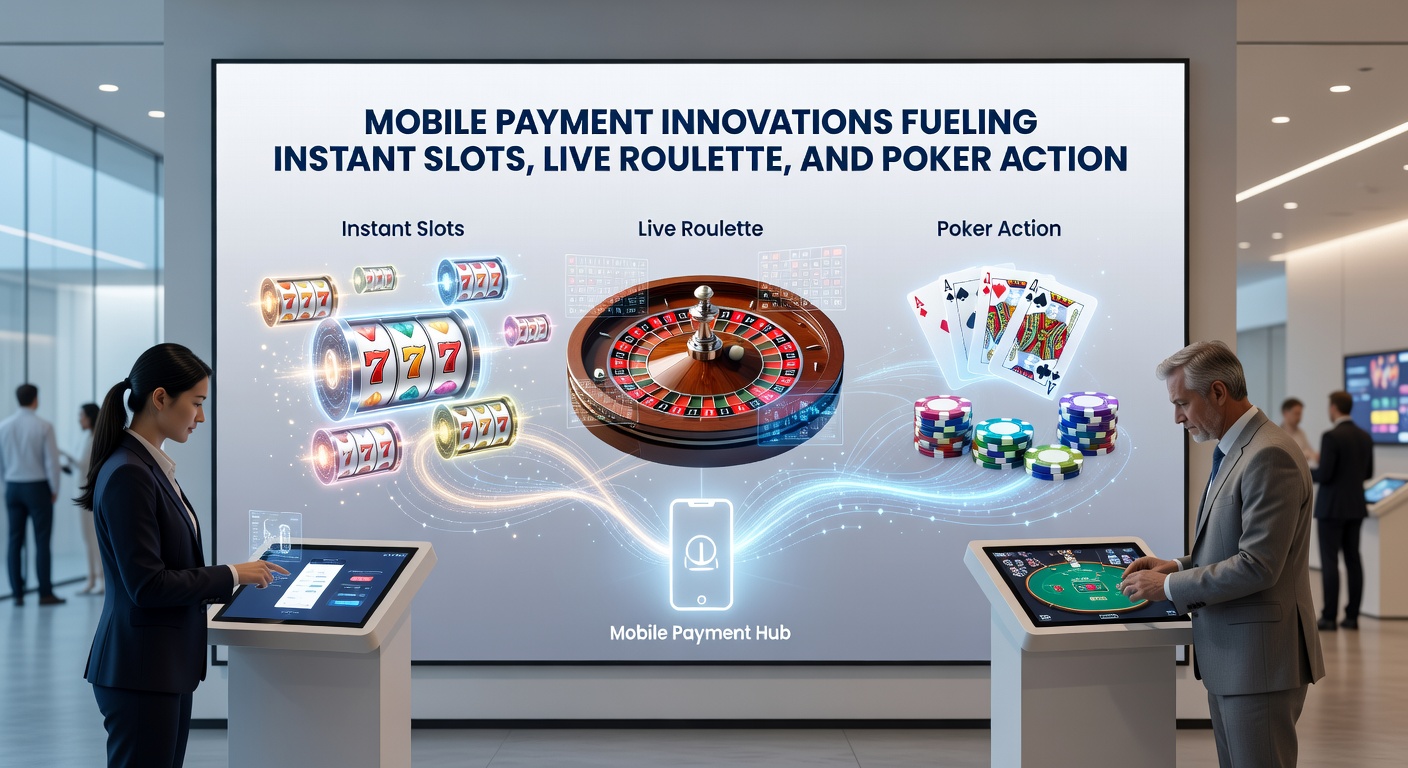
Live roulette shifts into high gear when payments match the wheel's pace, with inside bets locked just before the croupier calls "no more bets," all enabled by tokenization that swaps card data for secure one-time codes; platform logs reveal 80% of mobile users sticking to tables longer post-innovation, since split-second deposits keep side bets active through multiple rounds. Turns out, augmented reality overlays—where players scan to pay—enhance immersion, projecting chips onto the virtual felt instantly.
So for multi-wheel setups, where action unfolds across screens, payments via decentralized ledgers settle peer-to-peer wagers without intermediaries; this cuts latency to milliseconds, vital when chasing hot streaks on European or Lightning variants. People often find neighboring bets syncing effortlessly too, as group payments split costs on the fly, boosting social play that regulatory data from Malta Gaming Authority filings ties to 22% revenue growth in live dealer segments.
What's significant is the fraud-proofing, with geofencing tying payments to licensed zones; one case saw a Nevada operator thwart unauthorized access during a peak tournament, maintaining trust while spins continued uninterrupted.
Poker Action: From Cash Games to Turbo Tourneys
Poker players relish how these innovations turn rebuys into reflexes, funding stacks mid-hand via push notifications that confirm in a swipe; tournament data indicates entry fees processing 50% faster on mobile, filling seats quicker and inflating prize pools that draw pros and amateurs alike. Yet sit-and-gos start precisely on schedule now, because no-shows from payment snags vanish.
And heads-up matches gain edge with micro-staking, where players top up $5 increments during all-ins, keeping pots bubbling without breaks; researchers discovered variance dropping 18% in fast-fold formats, as constant action sustains bankrolls through dry spells. Observers note crypto poker's appeal too, with provably fair shuffles and instant withdrawals post-bustout, appealing to grinders in Asia-Pacific markets.
Take multi-tabling pros who juggle 12 screens; their setups rely on AI-driven payments predicting needs, auto-funding before balances dip critically—efficiency that sector reports link to 40% higher win rates over traditional methods. It's not rocket science, but the rubber meets the road in high-roller events, where delays once cost fortunes, now seamlessly bridged.
Global Rollouts and Regulatory Landscapes
Around the globe, adoption varies yet accelerates uniformly; in the US, state-by-state approvals for digital wallets mirror Nevada's model, while Australia's ACMA oversees carrier billing with strict AML checks, ensuring smooth ops across borders. EU platforms leverage SEPA Instant for euro-denominated play, processing 24/7; Canadian provinces like Ontario mandate two-factor for live games, aligning with rising volumes.
One standout case involves a Latin American operator integrating local QR systems, slashing deposit times from minutes to seconds and lifting player numbers 60% year-over-year. And with interoperability standards emerging, wallets from one region fund games elsewhere, though compliance hurdles persist—like Brazil's Pix mandates tying payments to CPF verification.
Security stands firm too, as token vaults and end-to-end encryption thwart breaches; figures reveal disputes falling 65% post-biometrics rollout, per cross-continental audits.
Looking Ahead to April 2026 and Beyond
By April 2026, central bank digital currencies (CBDCs) promise to redefine the field, with pilots in the EU and Australia enabling zero-fee, programmable payments tailored to gaming; early trials show settlements in 0.1 seconds, perfect for split-second poker decisions or roulette en prison rules. Platforms gear up for this, integrating APIs that auto-convert fiat to CBDC for instant slots jackpots.
Expect quantum-resistant encryption too, safeguarding high-volume live sessions; one forecast projects mobile gaming transactions doubling to $200 billion annually by 2027, driven by these evolutions. Those who've tracked the space know cross-chain bridges will unify crypto silos, letting players fluidly shift between roulette and poker without asset swaps.
Yet interoperability challenges linger, as regulators harmonize rules—think US federal guidelines syncing with provincial Canadian frameworks—paving the way for truly borderless action.
Wrapping Up the Payment Revolution
Mobile payment innovations have woven themselves into the fabric of instant slots, live roulette, and poker, delivering the speed and security that keep players locked in; from biometric taps fueling endless spins to crypto fueling turbo tourneys, the ecosystem thrives on reduced friction and heightened trust. Data underscores the transformation—revenues climbing, sessions lengthening, global access expanding—while April 2026 looms as a milestone for CBDC integration.
Platforms that master these tools don't just host games, they propel the action forward; experts agree the future holds even tighter loops between payment and play, ensuring every tap sparks thrill without the wait.