Mobile Interface Developments Alter Reward Frameworks in Digital Poker Events and Slot Progressions
Written by Devon Schröder · Jun 3, 2026
Mobile Interface Developments Alter Reward Frameworks in Digital Poker Events and Slot Progressions
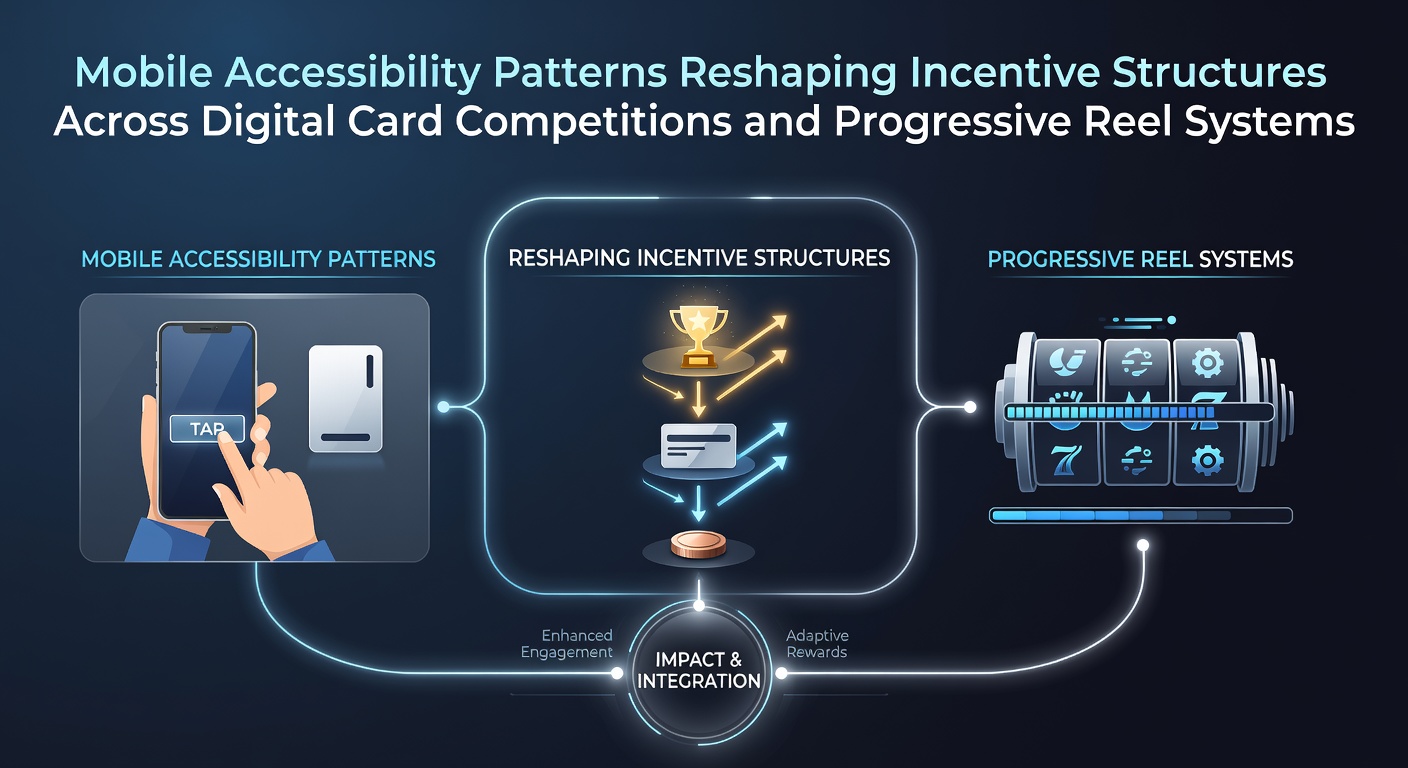
Digital card competitions and progressive reel systems have seen structural shifts in how incentives get distributed since mobile platforms expanded their reach, and observers note that accessibility patterns play a central role in these changes. Research from industry analysts shows that touch-responsive designs, voice navigation options, and adjustable display settings now influence which players receive targeted bonuses and how progressive jackpots accumulate across sessions. Data from multiple gaming markets indicates that operators adjust reward tiers based on engagement metrics collected through these accessible interfaces rather than traditional desktop patterns alone.
Accessibility Features Drive Engagement Metrics
Operators track user interactions more precisely when platforms incorporate high-contrast modes, scalable text, and simplified gesture controls, and figures reveal that these elements correlate with longer session times in both poker tournaments and slot progressions. A report compiled by the Nevada Gaming Control Board highlights steady growth in mobile participation rates through the first half of 2026, with June figures showing particular increases among users who activate accessibility settings. Those metrics feed directly into incentive algorithms that allocate entry fee discounts or multiplier bonuses to accounts demonstrating consistent mobile activity.
What's notable is the way progressive reel systems respond to the same data streams. Jackpot contribution rates now factor in device type and accessibility feature usage, so machines that register higher interaction quality from mobile users often accelerate their contribution pools faster than standard configurations. This adjustment emerged after several operators reviewed aggregated session data and identified clear differences in play duration between accessible and standard interfaces.
Digital Card Competitions Adapt Reward Allocation
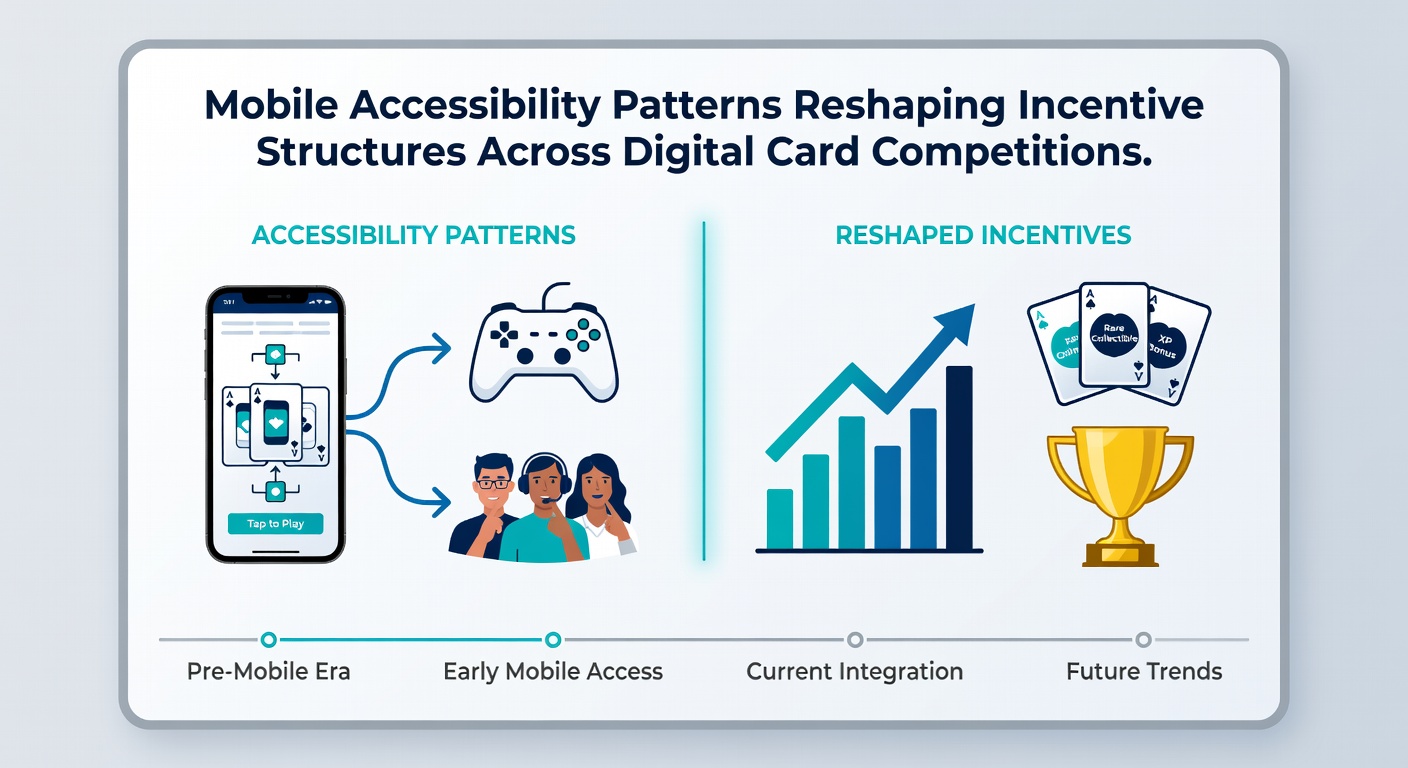
Poker platforms have restructured satellite entry systems and leaderboard incentives around mobile accessibility patterns as well. Tournament directors now weight qualification paths differently when participants complete registration and play through mobile apps equipped with screen reader compatibility and customizable control layouts. Evidence from European gaming association reports shows that these weighted systems appeared more frequently after 2025, when mobile traffic surpassed desktop volumes in several regulated markets.
One study released by researchers at the University of Nevada, Las Vegas examined how accessibility adjustments affect player retention across multi-table events. The findings indicated that participants using voice-command features maintained higher average stack sizes over extended periods, prompting operators to offer targeted reload bonuses tied to those specific interaction styles. Such changes reflect broader industry movement toward data-driven incentive distribution rather than uniform reward schedules.
Progressive Reel Systems Incorporate Mobile Data Streams
Slot operators have integrated similar accessibility considerations into progressive jackpot mechanics. Contribution percentages now vary according to session quality indicators captured through mobile interfaces, including swipe accuracy rates and pause frequency patterns that suggest users benefit from adaptive display options. Figures released by the Australian Gambling Research Centre in early 2026 documented a measurable uptick in mobile-triggered jackpot triggers compared with previous years.
Operators adjust daily and weekly incentive structures accordingly. Players who consistently engage progressive titles through accessible mobile configurations receive periodic boosts to their contribution multipliers, while standard play continues under baseline rates. This differentiation emerged after testing periods showed that accessibility-enhanced sessions produced more stable revenue patterns across device types.
Cross-Platform Incentive Synchronization
Many platforms now synchronize rewards between poker events and slot progressions using unified mobile accessibility profiles. A single user account can carry accessibility preferences across both game categories, allowing operators to apply consistent incentive logic. Industry reports from the Canadian Gaming Association note that this approach reduces fragmentation in reward distribution and simplifies compliance tracking for regulatory bodies monitoring player activity.
June 2026 data from several major markets shows continued expansion of these synchronized systems, particularly where operators link poker satellite qualifiers to slot-based progressive entries. The connection relies on shared mobile interaction data rather than separate tracking mechanisms, which streamlines how bonuses and jackpot contributions get calculated and distributed.
Conclusion
Mobile accessibility patterns continue to reshape how incentives flow through digital card competitions and progressive reel systems as operators refine their data collection methods. Regulatory reports and academic studies document these adjustments across multiple jurisdictions, and the resulting frameworks tie reward allocation more closely to interaction quality captured through accessible interfaces. The patterns observed through mid-2026 suggest further refinements will follow as mobile platforms evolve and engagement metrics become more granular.