Linking Encrypted Payment Data to Retention Trends in Mobile Card Leagues and Reel Systems
Written by Parker Sullivan · Aug 12, 2026
Linking Encrypted Payment Data to Retention Trends in Mobile Card Leagues and Reel Systems
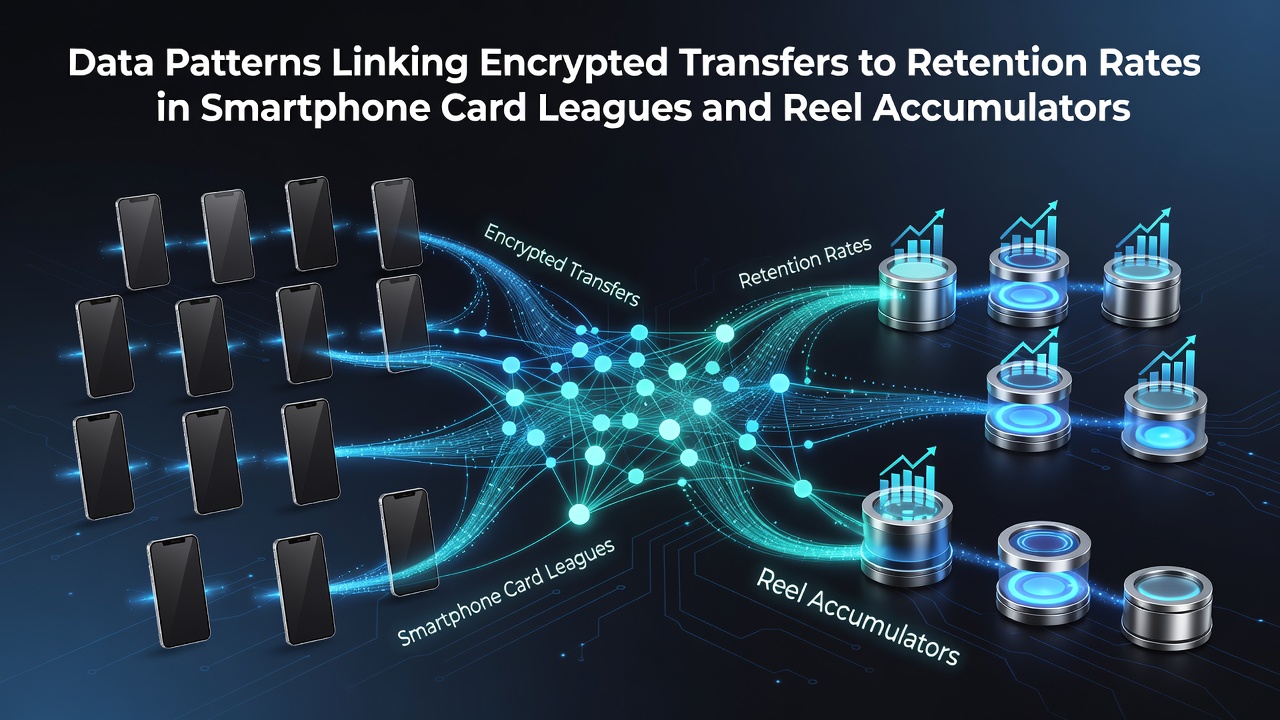
Encrypted transfers have become a central element in smartphone card leagues and reel accumulators, with platforms routing payments through layered security protocols that shield transaction details while maintaining speed. Data collected across multiple markets shows consistent correlations between these secure methods and higher retention rates, particularly when users engage in repeated sessions over weeks or months. Researchers tracking activity in August 2026 noted that accounts utilizing end-to-end encryption for deposits and withdrawals often logged longer active periods compared to those relying on less protected channels.
Patterns Emerging from Transaction Logs
Transaction logs from various operators reveal that encrypted transfers reduce friction during high-volume play periods, allowing seamless movement between card tournaments and reel progressions without repeated verification steps. Studies compiled by the Nevada Gaming Control Board indicate that retention metrics improve when encryption standards align with regional compliance requirements, creating a smoother path from initial deposit to ongoing participation. Those examining the datasets point out that users who complete at least three encrypted transactions within the first week demonstrate measurable increases in session frequency, while non-encrypted alternatives show more variable outcomes.
Smartphone card leagues, which include competitive poker formats and casual table games, benefit from these protocols because they support rapid buy-ins and prize distributions across devices. Reel accumulators, meanwhile, integrate similar systems to handle progressive jackpots and bonus rounds, where timing matters during peak engagement windows. Observers note that the combination of encryption and instant confirmation helps maintain momentum, especially when players switch between card-based events and slot-style accumulations in a single evening.
Regional Data and Industry Reports
Reports from the Australian Institute of Criminology highlight how encryption adoption varies by jurisdiction yet produces similar retention effects in mobile environments. In markets where digital wallets incorporate advanced encryption, average user lifespan extends by several weeks compared to regions with slower implementation. The figures reveal that card league participants who rely on encrypted channels return at higher rates during promotional cycles, while reel accumulator users show steadier progression through loyalty tiers when transfers remain protected.
One analysis covering the first half of 2026 found that platforms emphasizing encrypted transfers recorded fewer account closures after the initial thirty days. This pattern held across both card-focused applications and those centered on reel mechanics, suggesting the security layer influences behavior beyond game type. Experts tracking these trends emphasize that the data stems from aggregated operator reports rather than isolated cases, providing a broader view of how payment security intersects with sustained engagement.
Integration Challenges and Platform Adjustments
Platforms have adjusted their systems to embed encryption at multiple touchpoints, from account creation through reward redemptions, which in turn supports retention in competitive card leagues and accumulating reel features. Data shows that when encryption protocols update without disrupting user flow, session lengths increase and cross-game activity rises. Those monitoring August 2026 metrics observed that operators who synchronized encryption upgrades with mobile operating system changes experienced fewer drop-offs during high-traffic events.

Card leagues often feature real-time leaderboards and tournament entries that depend on reliable payment rails, while reel accumulators rely on continuous balance updates during bonus sequences. Encrypted transfers facilitate both by minimizing interruptions, leading to patterns where users maintain activity across formats. Research indicates that these connections appear strongest among users who engage with both card and reel elements rather than specializing in one category.
Future Tracking and Metric Development
Industry organizations continue refining metrics that connect encryption usage directly to retention curves, incorporating variables such as device type, geographic location, and game sequence. As of August 2026, several large operators have begun publishing anonymized summaries that allow external analysts to compare performance across encrypted versus standard transfer cohorts. The resulting datasets help clarify which security features contribute most to long-term participation in smartphone-based card competitions and reel-based accumulation systems.
Conclusion
Overall, available transaction and engagement data point to measurable links between encrypted transfers and improved retention across mobile card leagues and reel accumulators. Platforms that prioritize these security measures while preserving speed tend to see steadier user activity, according to reports from regulatory bodies and research groups in multiple regions. Continued monitoring of these patterns will likely shape how operators refine payment infrastructure in the coming periods.