Charting the Path from Protected Payments to Poker Tournament Triumphs Amid Mobile Slot Innovations
Written by Tina Schmitt · May 20, 2026
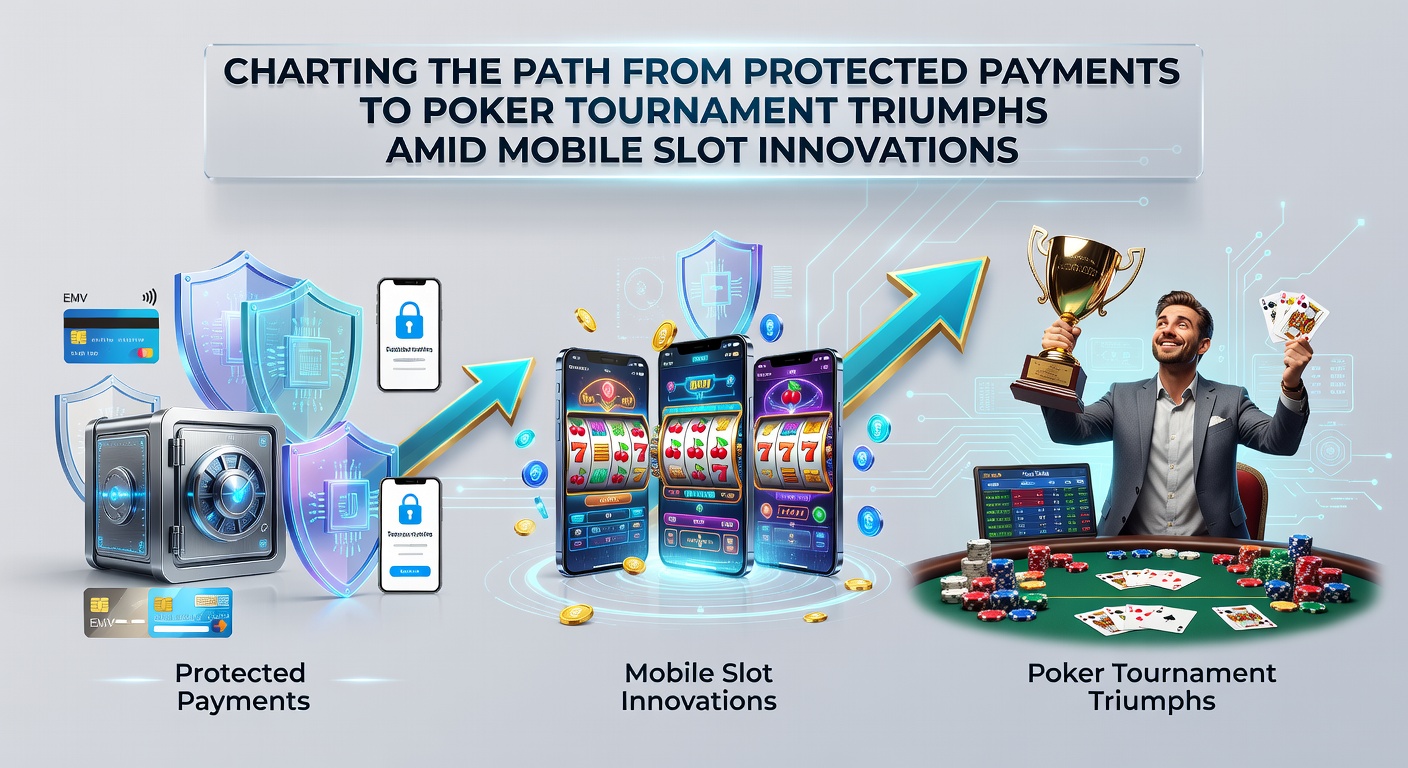
Charting the Path from Protected Payments to Poker Tournament Triumphs Amid Mobile Slot Innovations
Secure payment systems have become the backbone of online gaming platforms where players move funds into accounts that support both mobile slot sessions and entry into competitive poker tournaments, and these mechanisms continue to evolve as operators integrate new verification layers and encryption standards that reduce transaction times while maintaining compliance with regional rules.
Foundations of Protected Payment Pathways
Operators rely on multi-factor authentication protocols combined with tokenization techniques that shield card details and bank information during deposits, and these methods gained wider adoption after 2024 when several jurisdictions updated their digital transaction guidelines. Research from the University of Nevada's International Gaming Institute indicates that platforms using advanced encryption saw a 28 percent increase in repeat deposits between 2023 and 2025, while average withdrawal processing dropped from 48 hours to under 12 in many cases. Players often start with small test transactions on mobile slots before scaling up to larger tournament buy-ins, and the same security infrastructure handles both activities without requiring separate verification steps.
Data from the Alcohol and Gaming Commission of Ontario shows that licensed sites processing payments through certified gateways recorded fewer disputes related to fund movement in the first quarter of 2026 compared to the prior year, and this trend aligns with broader industry shifts toward instant settlement options that work across devices.
Mobile Slot Advancements Driving Engagement
Mobile slot developers have introduced features such as progressive jackpots that sync across networks and bonus rounds triggered by specific reel combinations, and these innovations run on the same payment rails that support poker tournament entries. In May 2026 several major platforms rolled out slot titles with real-time leaderboard integrations that allow winners to convert credits directly into tournament seats, and observers note that this seamless conversion reduces friction for users who prefer quick transitions between game types.
Studies from the Australian Institute of Criminology highlight that mobile-optimized slots now account for over 65 percent of all gaming activity on regulated sites in the Asia-Pacific region, and the same user bases frequently participate in poker events hosted on companion apps. Payment protection measures ensure that jackpot payouts clear without delays, which in turn encourages players to reinvest portions of their winnings into higher-stakes poker formats.
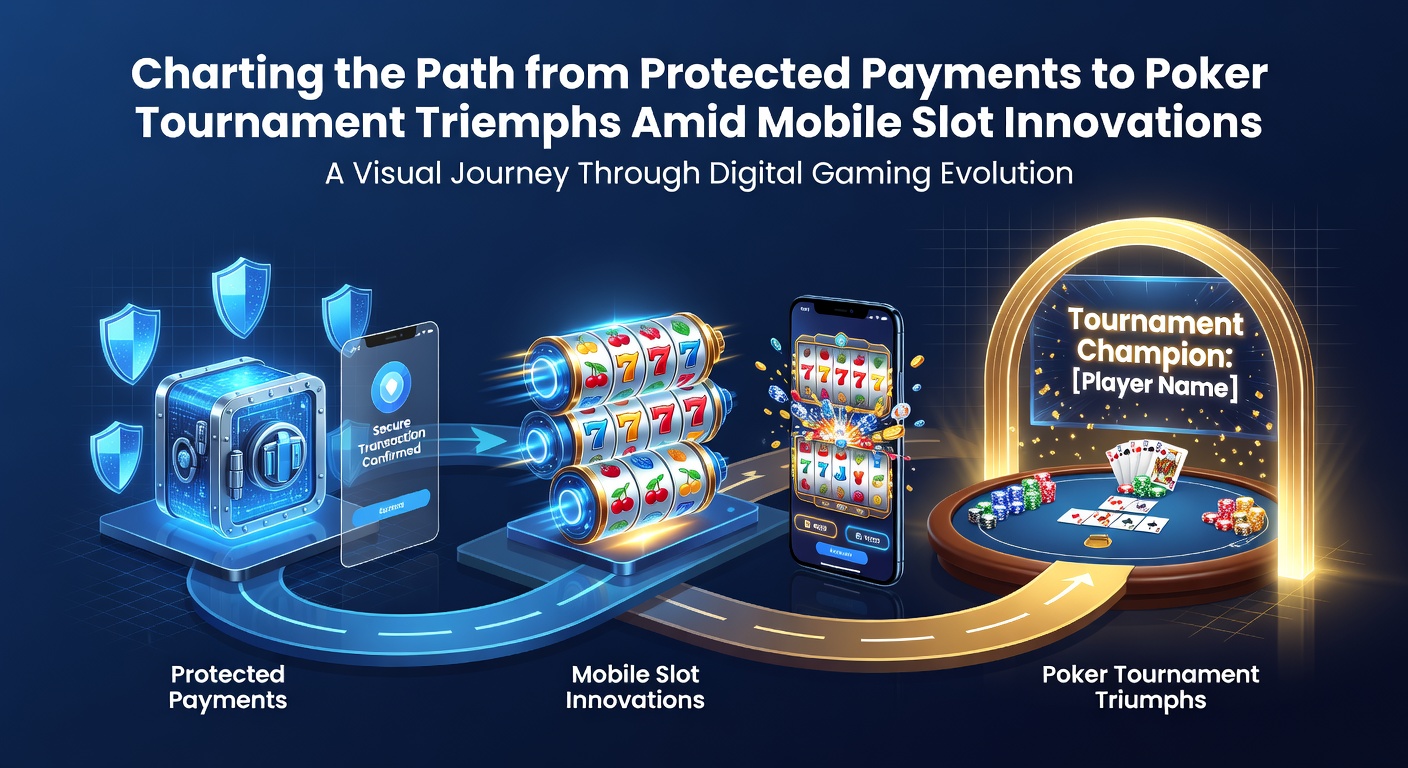
Linking Payments to Poker Tournament Success
Tournament organizers have adopted buy-in systems that accept instant deposits from verified mobile wallets, and this integration allows participants to register minutes before events begin. Figures from the Pennsylvania Gaming Control Board reveal that poker tournament entries funded through protected channels increased by 34 percent in the opening months of 2026, with a notable portion of those entries originating from players who first engaged via mobile slot promotions. The same encryption standards that guard slot transactions also cover satellite tournament qualifiers, creating a continuous pathway from casual play to competitive stages.
One documented case involved a series of weekly mobile slot events whose top performers received automatic entry codes for a larger regional poker series, and the payment processor handled both the initial deposits and the subsequent prize distributions under unified compliance frameworks. This approach minimizes the need for players to manage multiple accounts while preserving audit trails required by oversight bodies.
Regulatory and Technological Convergence
Regulators across multiple regions have aligned standards for digital payment verification, which enables operators to offer unified experiences that span slots and poker without jurisdictional conflicts. The Malta Gaming Authority updated its technical specifications in late 2025 to include mandatory real-time fraud detection for all transaction types, and platforms that adopted these measures reported smoother operations during high-volume tournament periods. Mobile slot innovations such as touch-optimized interfaces and cloud-based random number generators operate alongside poker software that uses identical security certificates, and this shared infrastructure supports consistent user verification across both formats.
Industry reports compiled by the European Gaming and Betting Association indicate that cross-product payment solutions now represent a growing segment of technology investment among major operators, and these solutions allow winnings from one vertical to fund activity in another without additional processing fees in most cases.
Conclusion
The progression from fortified payment systems to expanded access in poker tournaments and mobile slot environments reflects coordinated advances in technology and regulation that continue to shape player pathways. As of May 2026 these connections remain central to platform design, with data showing sustained growth in cross-format participation supported by secure transaction layers. Operators and oversight bodies maintain focus on refining these mechanisms to accommodate future developments in both gaming verticals.