Adaptive Loyalty Mechanisms Transforming Engagement in Online Blackjack and Roulette Variants
Written by Zoe Foster · Aug 24, 2026
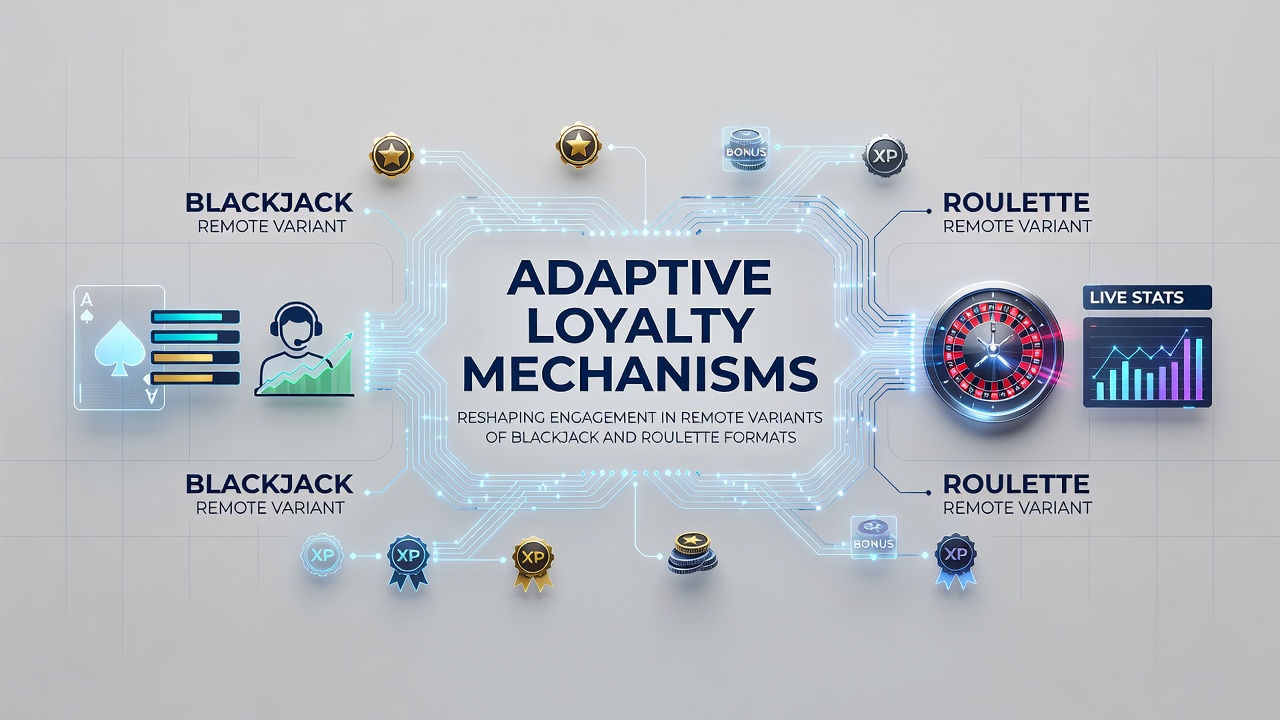
Adaptive Loyalty Mechanisms Transforming Engagement in Online Blackjack and Roulette Variants
Adaptive loyalty mechanisms have gained traction in remote blackjack and roulette formats as operators integrate real-time data tracking with dynamic reward structures, and these systems adjust points accumulation, bonus tiers, and personalized incentives according to individual playing patterns while operating within established regulatory frameworks.
Core Components of Adaptive Loyalty Systems
Operators deploy algorithms that monitor session duration, bet sizing, game selection, and frequency of play, then recalibrate reward multipliers or unlock tiered benefits such as cashback percentages and exclusive table access, and data from industry reports indicate that these adjustments occur without manual intervention once baseline parameters are set by compliance teams.
Blackjack variants incorporate side-bet tracking that feeds into loyalty calculations, whereas roulette formats emphasize wheel spin volume and color or number preferences, and both game types allow seamless integration with mobile interfaces that update player dashboards in seconds after each round completes.
Implementation Patterns Across Remote Platforms
Platform providers have rolled out segmented loyalty layers that distinguish casual participants from high-volume players through automated thresholds, and figures from August 2026 reveal increased retention rates in markets where such mechanisms operate alongside live dealer streams and RNG-based tables. One study revealed that players receive tailored challenges such as completing a set number of hands within a timeframe to accelerate point earnings, and these challenges refresh weekly based on prior engagement metrics.
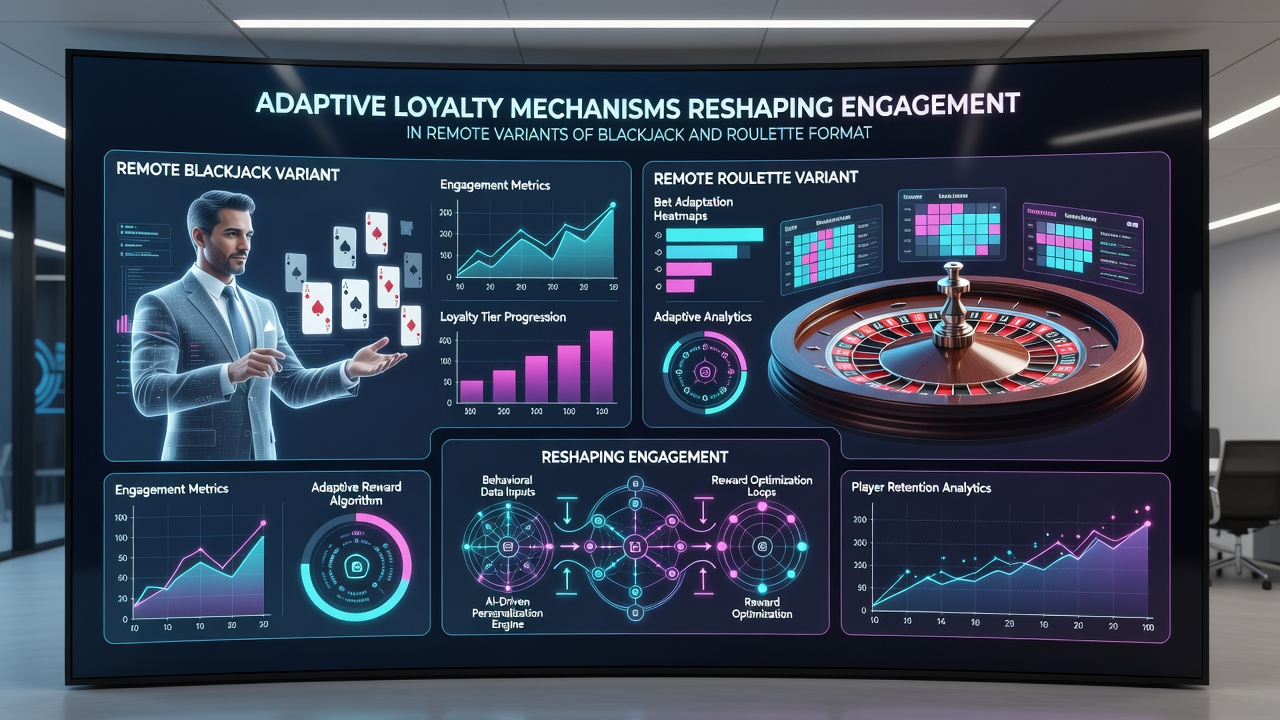
Regulatory bodies in multiple jurisdictions require transparent disclosure of how adaptive algorithms influence reward distribution, and observers note that operators publish summaries of point valuation formulas to maintain player trust. Take one operator who introduced variable multiplier events tied to peak hours, and data shows these events lifted average session lengths without altering base game rules.
Regional Adoption and Reporting Trends
Markets in North America and parts of Asia have documented steady adoption since early 2025, with August 2026 reports highlighting a 12 percent rise in active accounts among platforms that refreshed loyalty modules during the prior quarter. Gaming Association reports track these metrics across licensed operators, and similar patterns appear in analyses from Canadian provincial regulators that emphasize cross-border data comparability.
European operators integrate adaptive elements with responsible gaming tools that pause reward progression when session limits activate, and researchers discovered that this combination reduces voluntary opt-outs compared with static loyalty programs. Blackjack tables often feature streak-based bonuses that adapt to consecutive wins or losses, while roulette offerings link loyalty accrual to specific bet types such as outside wagers versus inside placements.
Technical Integration and Player Interface Updates
Backend systems pull from unified player databases that merge transaction histories with behavioral logs, enabling instant recalculation of loyalty status after each hand or spin, and this architecture supports simultaneous operation across desktop and mobile channels without latency spikes. Industry organizations such as the Asia-Pacific Gaming Research Institute have published frameworks outlining minimum encryption standards for these data flows, and compliance audits verify that no unauthorized third parties access individualized reward profiles.
Players encounter progress bars and milestone previews that update dynamically, and case examples show operators testing A/B variants where one group receives time-limited multipliers while another sees cumulative streak rewards, with both approaches yielding measurable differences in repeat visit frequency according to aggregated platform statistics.
Conclusion
Adaptive loyalty mechanisms continue to evolve in remote blackjack and roulette environments through iterative refinements grounded in performance data and regulatory oversight, and ongoing reports from August 2026 onward document their role in sustaining engagement across diverse player segments while preserving operational integrity. These systems rely on transparent algorithms and cross-jurisdictional standards that allow consistent application without compromising game fairness or player protections.